
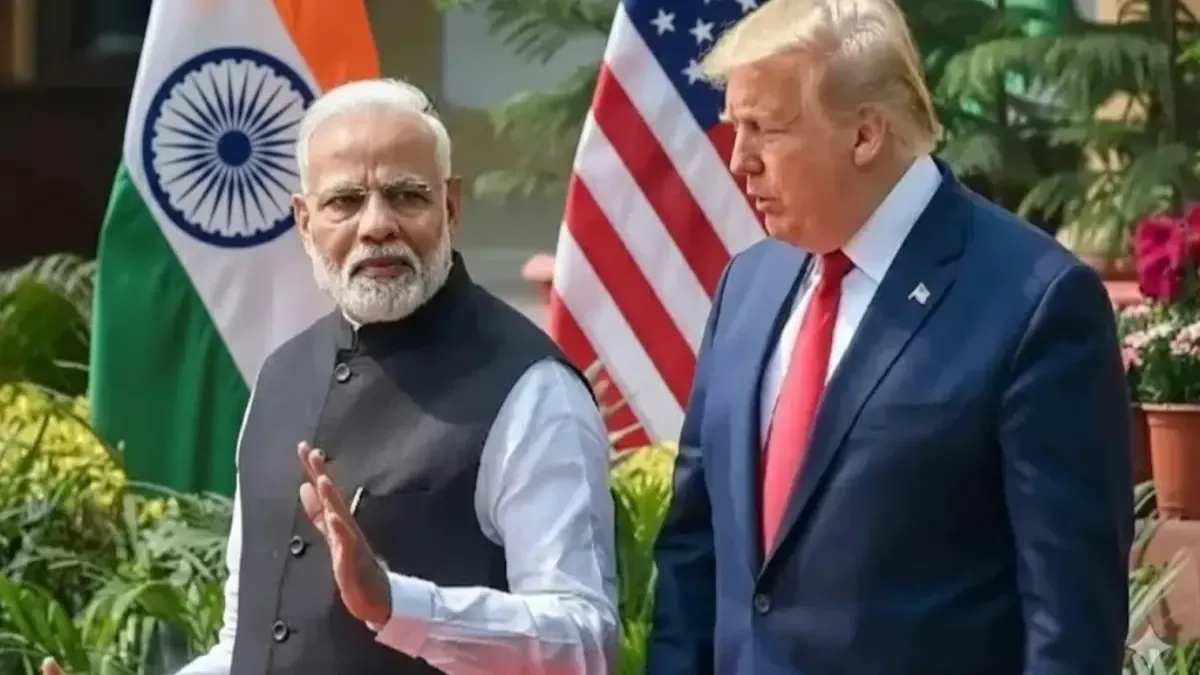
US Tariff Reduction India In a significant development for global trade, the United States has reduced tariffs on select Indian goods following high-level discussions between former US President Donald Trump and Indian Prime Minister Narendra Modi. This move is being seen as a positive signal for India–US trade relations, especially at a time when global supply chains are being restructured and emerging economies are seeking stronger market access.
The tariff reduction reflects renewed efforts by both nations to strengthen economic cooperation, boost exports, and encourage strategic partnerships across key sectors.
What the Tariff Reduction Decision Is About
The recent decision by the US to lower tariffs on certain Indian products comes after focused talks between Trump and PM Modi, centered on trade balance, market access, and long-term economic cooperation. While the exact product categories may vary, the move broadly aims to ease trade barriers for Indian exporters entering the US market.
Tariff reductions mean Indian goods can now reach American consumers at more competitive prices, improving demand and export volumes. For India, this is a welcome step toward achieving stronger trade growth with one of its most important global partners.

Why the US Reduced Tariffs for India
The decision is driven by multiple strategic and economic factors. India is one of the world’s fastest-growing major economies and a key partner for the US in the Indo-Pacific region. By reducing tariffs, the US aims to deepen economic ties and support reliable supply chains.
For the US, encouraging trade with India also helps diversify imports away from overdependence on a few regions. For India, lower tariffs improve export competitiveness and support domestic manufacturing under initiatives like Make in India.
Sectors Likely to Benefit the Most
Several Indian industries are expected to benefit from the tariff reduction. These include engineering goods, pharmaceuticals, textiles, auto components, and select agricultural products. Lower tariffs reduce cost pressure on exporters and help Indian companies expand their footprint in the US market.

Small and medium enterprises may also gain indirectly, as improved exports can lead to higher production demand, job creation, and increased investment across supply chains.
Impact on India–US Trade Relations
This tariff move strengthens the foundation of India–US bilateral trade, which has grown steadily over the past decade. Reduced trade barriers improve trust and open doors for future agreements on technology sharing, defense manufacturing, and clean energy collaboration.
It also signals a more cooperative approach to resolving trade differences through dialogue rather than restrictions. For global investors, this development reinforces confidence in the long-term stability of India–US economic relations.

What It Means for Indian Exporters and Businesses
For Indian exporters, lower US tariffs translate into better profit margins and higher order volumes. Companies exporting to the US may now be able to price their products more competitively or invest more in quality and innovation.
Domestic manufacturers could also see increased capacity utilization, which supports economic growth. Over time, this may encourage foreign investment into Indian manufacturing sectors targeting the US market.
Expected Economic Benefits for India
The tariff reduction can contribute positively to India’s economy in several ways. Increased exports support foreign exchange earnings, strengthen the rupee, and boost industrial output. Employment opportunities may rise, particularly in export-oriented industries.

Additionally, improved trade relations help India position itself as a trusted global manufacturing and sourcing hub, which is crucial in the evolving global economic landscape.
Key Highlights at a Glance
| Aspect | Impact |
|---|---|
| Decision | US reduces tariffs on select Indian goods |
| Reason | Trade talks between Trump and PM Modi |
| Beneficiary | Indian exporters and manufacturers |
| Key Sectors | Pharma, textiles, engineering, auto parts |
| Economic Effect | Boost to exports, jobs, and trade ties |
Why did the US reduce tariffs for India now?
The move follows high-level talks aimed at improving trade balance and strengthening bilateral economic cooperation.
Which sectors in India benefit the most?
Export-focused sectors like pharmaceuticals, textiles, engineering goods, and auto components are expected to benefit.

Will this lead to a full free trade agreement?
While this is a positive step, a comprehensive trade agreement would require further negotiations.
How does this affect India’s economy?
Lower tariffs can boost exports, support jobs, attract investment, and strengthen overall economic growth.
Final Outlook
The US decision to reduce tariffs for India after Trump–PM Modi talks marks an important step toward deeper economic cooperation between the two nations. It highlights a shared interest in open trade, strategic partnership, and long-term growth.
For India, this development offers an opportunity to expand exports, strengthen manufacturing, and enhance its global trade position. For businesses and consumers alike, the move signals a more collaborative and forward-looking phase in India–US relations.