
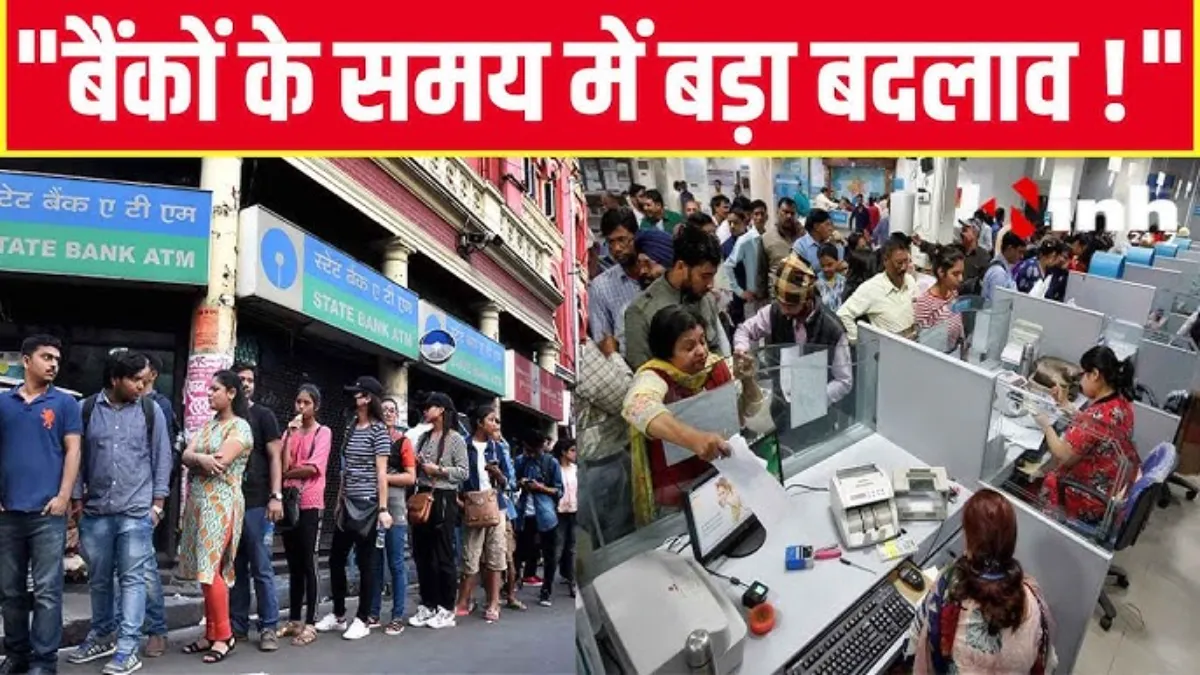
Bank Timings Change : From 1st February 2026, bank customers across India will experience a nationwide change in bank branch timings. This update, announced as part of operational reforms in the banking sector, is aimed at improving efficiency, employee productivity, and customer convenience. Whether you visit banks frequently or rely mostly on digital services, understanding the new timings is important to avoid last-minute confusion.
This complete guide explains what has changed, why it matters, and what customers should do next.
Why Bank Timings Are Being Changed Nationwide
The decision to revise bank timings comes after years of feedback from customers, banking unions, and regulators. With the rapid rise of digital banking, UPI payments, and mobile apps, footfall at branches has changed significantly. At the same time, banks need structured working hours to ensure better service quality and security.
The revised timing system is designed to create uniformity across states, reduce overcrowding during peak hours, and allow staff to focus on backend operations such as loan processing and compliance.

New Bank Timings Effective From 1st Feb 2026
Under the new system, most public and private sector banks will follow standardized customer service hours, while internal operations may continue beyond public dealing time. This separation helps banks serve customers efficiently without rushing critical internal tasks.
Expected Bank Working Structure
-
Customer-facing services during fixed public hours
-
Extended time for internal banking operations

-
Improved queue management and appointment-based services
Banks have also been advised to display updated timings clearly at branches and on official websites.
How This Change Affects Bank Customers
For most customers, daily banking will remain smooth, but timing awareness becomes more important. Those who rely on branch visits for cash transactions, passbook updates, or document verification should plan visits according to the new schedule.

Senior citizens and rural customers may benefit from less crowded counters due to better time management. Meanwhile, working professionals are encouraged to use online banking tools for routine services.
Digital Banking Becomes Even More Important
With limited customer hours at branches, banks are actively promoting digital alternatives. Services like fund transfers, bill payments, account statements, loan applications, and even KYC updates are increasingly available online.
RBI and banks continue to assure customers that digital platforms are secure, fast, and available 24/7, reducing dependency on physical branches.

Key Highlights of New Bank Timings
| Category | Details |
|---|---|
| Effective Date | 1st February 2026 |
| Applies To | Public & Private Sector Banks |
| Objective | Uniform timings & efficiency |
| Customer Impact | Better planning required |
| Alternative | Digital banking encouraged |
What Customers Should Do Now
Customers are advised to check official notifications from their respective banks and note the revised branch hours. If you have pending work such as KYC updates, locker access, or document submissions, scheduling visits in advance will save time.
Banks may also introduce token systems or prior appointments, especially in metro cities, to manage footfall effectively.
Why This Move Is Important for the Banking System
Standardized timings help banks operate more efficiently while reducing employee fatigue. It also improves customer satisfaction by ensuring focused service hours and quicker resolutions.

Experts believe this change aligns India’s banking operations with modern global practices, where routine banking is largely digital and branch visits are need-based.
Will all banks follow the same timings from 1st Feb 2026?
Most public and private banks are expected to follow uniform customer hours, though slight variations may exist.
Will ATMs and online banking be affected?
No. ATMs, mobile banking, and internet banking services will continue as usual.
Do these changes apply to rural banks as well?
Yes, the revised timing framework applies nationwide, including regional and rural banks.
Will banks remain closed on weekends?
Weekly holidays and existing weekend rules are expected to continue unless officially updated.
Final Words
The nationwide change in bank timings from 1st February 2026 marks another step toward a more structured and digital-first banking environment. Customers who stay informed and adapt to the new schedule will find banking more organized and less stressful.