
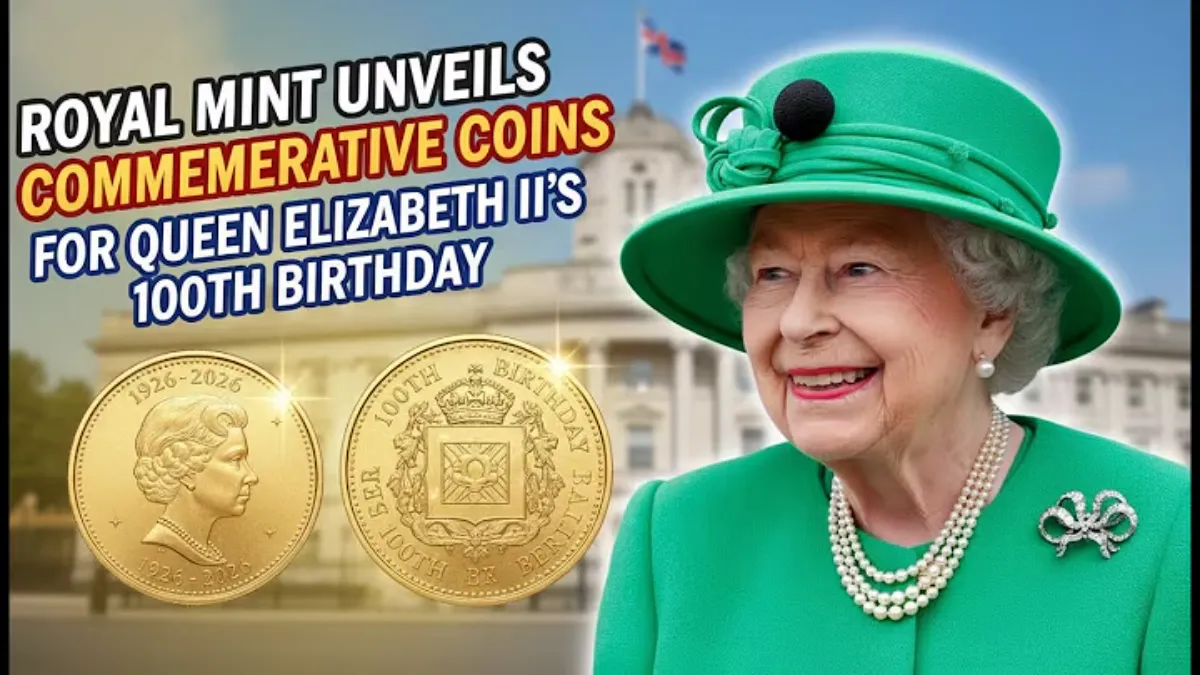
The release of Queen Elizabeth II commemorative coins has triggered a wave of discussion across the globe. While many royal admirers and coin collectors have welcomed these special editions as a heartfelt tribute to the longest-reigning British monarch, others have questioned their value, relevance, and long-term appeal. This mixed public response has made the coins a hot topic in both numismatic circles and mainstream news, turning a royal memorial into a broader cultural conversation.
Queen Elizabeth II, who reigned for over seven decades, was more than a monarch; she was a symbol of stability in a rapidly changing world. Following her passing, several countries within the Commonwealth, along with private mints, released commemorative coins to honor her legacy. These coins feature carefully crafted portraits, royal insignia, and dates marking her historic reign. Yet, despite their emotional significance, reactions have been far from uniform.
A Tribute Rooted in History and Emotion
Supporters of the commemorative coins argue that they represent a tangible piece of history. For royalists, holding a coin bearing Queen Elizabeth II’s image is like holding a fragment of an era defined by duty, tradition, and resilience. Many collectors believe these coins will appreciate in value over time, especially limited-edition releases struck in gold or silver. The craftsmanship, historical symbolism, and emotional connection make them attractive keepsakes for generations to come.

In the UK and other Commonwealth nations, the coins have also been viewed as a respectful way to honor a monarch who served until her final days. Some buyers see them not as investments, but as personal memorials, similar to stamps or portraits that mark significant national moments.
Criticism Over Cost and Commercialization
On the other side of the debate, critics have raised concerns about commercialization of grief. Some feel that producing multiple coin editions so soon after the Queen’s death turns a moment of collective mourning into a profit-driven exercise. High prices, particularly for precious-metal versions, have also drawn criticism, with detractors arguing that the coins cater more to affluent collectors than the general public.

Others question whether commemorative coins still hold the same cultural relevance in a digital age. With younger generations less interested in physical collectibles, skeptics argue that demand may fade, limiting both emotional and financial value in the long run.
Public Sentiment Divided Across Generations
Interestingly, public reaction appears to differ by age group. Older generations, who lived through much of Queen Elizabeth II’s reign, tend to view the coins with nostalgia and respect. Younger audiences, however, often see them as symbolic but unnecessary, preferring digital tributes or charitable initiatives in her name. This generational divide has further fueled the mixed response surrounding the commemorative releases.

Overview of Queen Elizabeth II Commemorative Coins
| Aspect | Details |
|---|---|
| Purpose | Tribute to Queen Elizabeth II’s historic reign |
| Materials Used | Gold, silver, cupronickel |
| Issuing Bodies | Royal Mint, Commonwealth mints, private mints |
| Target Audience | Collectors, royal admirers, investors |
| Public Response | Mixed: admiration and criticism |
Long-Term Value Still Uncertain
Whether these commemorative coins will become prized collector’s items or remain symbolic souvenirs is still unclear. Numismatic experts suggest that limited mintage and metal content will play a key role in determining future value. Emotional significance may drive short-term demand, but long-term appreciation depends on rarity, condition, and sustained interest.
What is certain, however, is that the coins have succeeded in keeping Queen Elizabeth II’s legacy in public conversation. Love them or question them, they have become part of the broader narrative surrounding the end of a historic reign.

Are Queen Elizabeth II commemorative coins legal tender?
Some editions issued by official mints are legal tender, but many are primarily collectibles and not intended for everyday use.
Do these coins increase in value over time?
Value depends on factors like metal content, rarity, condition, and market demand. Not all commemorative coins guarantee appreciation.

Why has the public response been mixed?
While supporters see them as meaningful tributes, critics view them as expensive or overly commercialized memorials.
Are commemorative coins better as investments or keepsakes?
They are best approached as keepsakes with potential investment value, rather than guaranteed profit-making assets.