Wheat Penny, officially known as the LincolnWheat Penny Value Wheat Cent, remains one of the most searched and collected U.S. coins in 2026. Minted from 1909 to 1958, these pennies may look ordinary, but some are worth hundreds to thousands of dollars today. Many people still discover Wheat Pennies in old jars, inherited collections, or estate finds, making them an exciting and accessible collectible. This guide explains how Wheat Pennies are valued, how to grade them correctly, and how collectors can profit from these old coins.
Brief History of the Wheat Penny
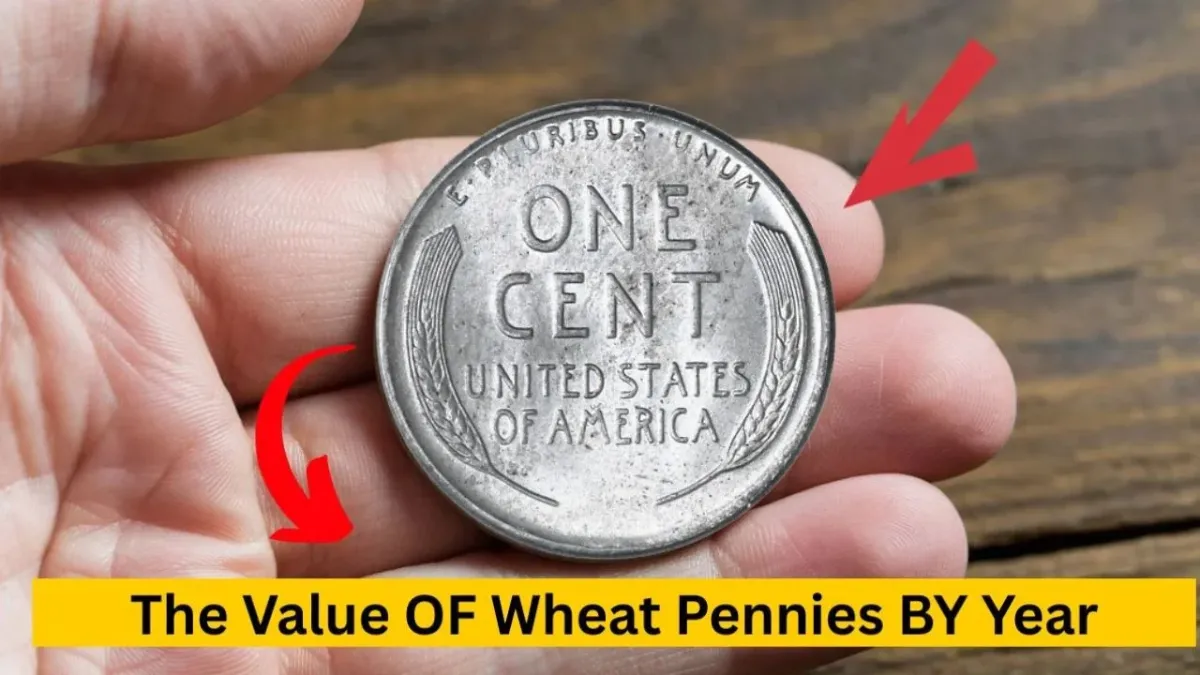
The Wheat Penny was introduced in 1909 to mark the 100th birth anniversary of Abraham Lincoln. It was the first U.S. coin to feature a real person. The reverse side shows two wheat stalks, symbolizing prosperity and national growth. Early Wheat Pennies were struck in 95% copper, which adds metal value alongside collector demand. Because of their age and limited mintages in certain years, many Wheat Pennies are now considered valuable collectibles.
Key Dates That Increase Wheat Penny Value
Not all Wheat Pennies are valuable, but certain dates dramatically increase a coin’s worth. The most famous is the 1909-S VDB, which had a very low mintage. Other key dates include 1914-D, 1922 No D, and 1931-S. Even common-date Wheat Pennies can carry value when found in high-grade condition or with minting errors. In 2026, collectors continue to pay premiums for coins with clear details and original surfaces.
How to Grade Wheat Pennies Correctly
Grading is one of the most important factors in determining Wheat Penny value. Coins are graded based on wear, detail, and overall appearance. A heavily worn penny may only be worth a few cents, while a sharp, well-preserved coin can be worth hundreds. Key features to inspect include Lincoln’s hair detail, cheekbone sharpness, and the visibility of the wheat lines on the reverse. Uncirculated coins with no wear and strong luster command the highest prices in the market.
Wheat Penny Value Table 2026 (Estimated Prices)
| Wheat Penny Year |
Condition |
Estimated Value |
| 1909-S VDB |
VF–XF |
$1,200 – $2,500 |
| 1914-D |
Fine–XF |
$300 – $3,000 |
| 1922 No D |
VF–AU |
$500 – $6,000 |
| 1931-S |
MS-63 |
$150 – $400 |
| Common Dates (1940s–50s) |
Circulated |
$0.10 – $1.00 |
How to Profit from Wheat Pennies in 2026
Profit comes from knowledge and patience. Sorting coins by year and mint mark is the first step. High-grade examples and rare dates should be professionally graded, as certification significantly increases resale value. Selling through reputable auction platforms or coin dealers often results in better prices than quick cash offers. Many collectors also benefit by holding rare Wheat Pennies long-term, as values tend to rise steadily over time.
Common Mistakes to Avoid with Old Pennies
Cleaning Wheat Pennies is one of the biggest mistakes collectors make. Cleaning removes original surfaces and can cut the coin’s value in half or worse. Improper storage can also damage coins, especially copper ones. Keeping pennies in protective holders and dry environments preserves value and appeal. Understanding the market before selling helps avoid underselling rare coins.
Market Outlook for Wheat Pennies in 2026
The Wheat Penny market remains strong due to historical significance, copper value, and steady collector interest. New collectors enter the hobby every year, keeping demand consistent. Rare dates and high-grade coins continue to appreciate, making Wheat Pennies a solid option for both beginners and experienced collectors.
Conclusion: Are Wheat Pennies Worth Keeping?
In 2026, Wheat Pennies are absolutely worth checking and preserving. While many are modestly priced, a single rare coin can be a financial surprise. Learning how to grade, identify key dates, and sell wisely can turn old pennies into meaningful profit.
Q1. What is the most valuable Wheat Penny?
The 1909-S VDB Wheat Penny is considered the most valuable and can sell for thousands of dollars.
Q2. Are all Wheat Pennies made of copper?
Yes, most Wheat Pennies are 95% copper, except the rare 1943 steel penny.
Q3. Should I clean my Wheat Pennies before selling?
No, cleaning damages the surface and reduces the coin’s value significantly.
Q4. Is professional grading worth it for Wheat Pennies?
Yes, grading is highly recommended for rare dates and high-condition coins to maximize value and buyer trust.
 Skip to content