Spotify Celebrates 20th Anniversary : Spotify is celebrating its 20th anniversary in style with a brand-new shimmering disco ball logo, nostalgic features, and personalized music experiences that are getting massive attention online. new spotify logo
The popular music streaming platform surprised users after replacing its famous green-and-black icon with a sparkling retro-inspired logo on May 13, 2026. The temporary redesign gives the app a fun Y2K-era party look while honoring two decades of digital music streaming success.
But the celebration is not only about the logo. Spotify has also introduced a special feature called “Party of the Year(s)”, allowing users to explore their complete listening history and relive their favorite music memories.
Spotify Introduces a Retro Disco Ball Logo
For years, Spotify’s classic green logo has remained one of the most recognizable symbols in entertainment. Now, the company has refreshed its appearance with a shiny disco-ball-themed icon inspired by early-2000s aesthetics.
The new design features metallic textures, sparkling effects, and a party-inspired visual style that immediately caught the attention of users worldwide.
The temporary logo quickly became a trending topic on social media, with fans praising Spotify for bringing nostalgia and creativity into the anniversary celebration.
The updated look reflects Spotify’s evolution from a small startup into one of the world’s biggest streaming platforms.

How Spotify Started Its Journey
Spotify was founded in Stockholm, Sweden, in April 2006 by Daniel Ek and Martin Lorentzon.
The streaming service officially launched in 2008 and was initially available only in selected European countries such as Sweden, France, Finland, Spain, and the United Kingdom.
At first, Spotify operated through an invite-only system. This created excitement around the platform while helping the company gradually expand its services.
In 2011, Spotify officially entered the United States market, which became a major turning point for the company’s global growth.
The U.S. launch helped Spotify become one of the most influential companies in modern music streaming history.
Today, Spotify competes with major entertainment services including Apple Music, YouTube Music, and Amazon Music.

Spotify’s Massive User Growth in 2026
Spotify’s popularity continues to rise across the globe.
According to company figures from late 2025, Spotify reported around 751 million monthly active users worldwide.
Among those users:
- 61% use the free version supported by ads
- 39% subscribe to Spotify Premium
- The United States remains Spotify’s largest market with nearly 100 million active users
These numbers show how deeply music streaming has become part of everyday life.
Spotify has also expanded beyond music by investing heavily in podcasts, audiobooks, AI recommendations, and exclusive content.
Top Artists Dominating Spotify in 2026
Several global superstars continue leading Spotify’s streaming charts in early 2026.

Some of the platform’s most-streamed artists include:
- Bruno Mars
- The Weeknd
- Bad Bunny
- Rihanna
- Taylor Swift
These artists continue generating billions of streams and dominating global music trends across multiple genres.
Pop, hip-hop, reggaeton, R&B, and dance music remain some of the platform’s most popular categories worldwide.
Spotify’s ‘Party of the Year(s)’ Feature Explained
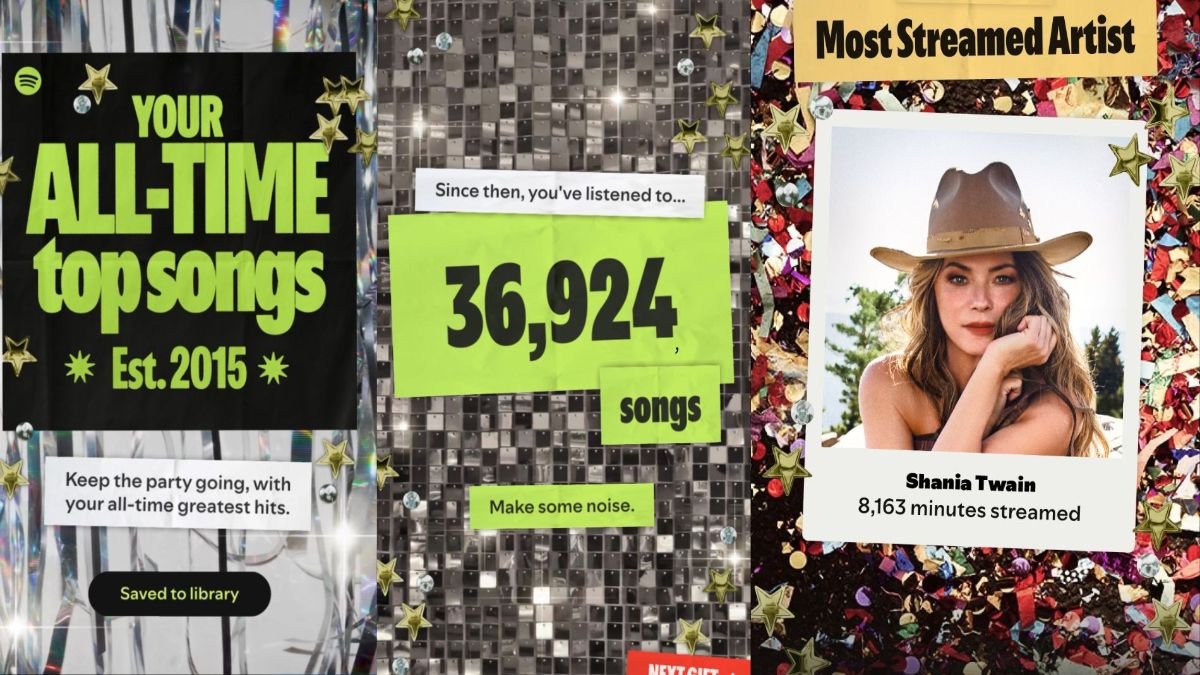
One of the biggest highlights of Spotify’s anniversary celebration is the launch of its personalized “Party of the Year(s)” experience.
The feature allows users to explore detailed information about their complete listening history since joining Spotify.
Users can discover:

- Their first day on Spotify
- Their first-ever streamed song
- Total number of unique songs played
- Their all-time favorite artist
- Their most-played songs
- A custom playlist featuring their top 120 tracks
Many users described the feature as emotional and nostalgic, especially longtime subscribers who have spent years building playlists and discovering new artists through the app.
The experience is similar to Spotify Wrapped, but instead of showing yearly data, it focuses on a user’s lifetime music journey.
Why Spotify’s Anniversary Campaign Is Going Viral
Spotify’s anniversary strategy successfully combines nostalgia, personalization, and social sharing — three powerful trends that dominate modern digital culture.
The company understands that users enjoy sharing personal music memories online, and the new feature encourages millions of fans to post their listening history across social media platforms.
The disco ball logo and personalized stats have helped Spotify dominate online conversations during its anniversary week.
The campaign also highlights how streaming services have transformed music consumption over the past two decades.

From CDs and MP3 downloads to AI-powered playlists and personalized recommendations, Spotify has played a major role in shaping the future of digital entertainment.
Conclusion
Spotify’s 20th anniversary celebration is more than just a logo update. It represents two decades of music discovery, streaming innovation, and emotional connection between fans and artists.
With its sparkling disco-ball-inspired branding and highly personalized “Party of the Year(s)” feature, Spotify has created one of the most talked-about digital celebrations of 2026.
As millions of users revisit their music memories, Spotify is proving why it remains one of the biggest and most influential streaming platforms in the world.
FAQs
1. Why did Spotify change its logo?
Spotify introduced a temporary disco-ball-themed logo to celebrate its 20th anniversary and create a nostalgic Y2K-inspired look.
2. What is Spotify’s ‘Party of the Year(s)’ feature?
It is a special feature that shows users their lifetime listening statistics, favorite artists, top songs, and music history since joining Spotify.
3. Who founded Spotify?
Spotify was founded in 2006 by Daniel Ek and Martin Lorentzon in Stockholm, Sweden.
4. Which artists are most streamed on Spotify in 2026?
Some of the top artists include Bruno Mars, The Weeknd, Bad Bunny, Rihanna, and Taylor Swift